

The First Step Act represented one of the most significant federal prison reform efforts in decades. Passed with bipartisan support in 2018, the law was intended to reduce recidivism, expand rehabilitative programming, improve prison conditions, and increase transparency within the Bureau of Prisons (BOP). Congress envisioned a system that would rely more heavily on evidence-based programming, reward inmates for participation in productive activities, and move more individuals safely back into the community. Several years after the law’s passage, however, the question remains whether the operational realities inside federal prisons reflect the goals that lawmakers had in mind. Recent data from the Department of Justice’s Bureau of Justice Statistics and reporting on the BOP provide an opportunity to evaluate how the agency is performing in several key areas, including population levels, disciplinary trends, housing practices, accreditation oversight, and rehabilitative programming.
One of the most visible outcomes associated with federal sentencing reform and the First Step Act has been the decline in the federal prison population. For many years prior to reform, the federal prison population grew steadily as mandatory minimum sentences and aggressive drug enforcement policies increased the number of individuals serving lengthy prison terms. Over time, however, a combination of legislative changes, sentencing reforms, and expanded opportunities for early release began to reverse that trend.
The First Step Act accelerated that shift by expanding earned time credits, allowing broader access to home confinement and halfway houses, and making earlier reforms retroactive for certain prisoners. As a result, the total population in federal custody has declined compared with peak levels seen earlier in the past decade. Fewer inmates mean lower operational pressure on many institutions and potentially greater capacity for programming and supervision. At the same time, declining population numbers do not automatically translate into improvements in prison conditions or institutional management. Other operational indicators, including disciplinary issues and housing practices, provide additional insight into how the system is functioning.
Another significant development highlighted in recent Bureau of Prisons analysis involves the agency’s decision to allow its contract with the American Correctional Association to expire. For many years, ACA accreditation served as one of the primary external oversight mechanisms for federal prison facilities. Accreditation reviews were intended to ensure that institutions complied with professional standards related to safety, staffing, programming, and inmate management.
The expiration of the contract raises important questions about how the Bureau will maintain independent oversight and accountability moving forward. Critics of ACA accreditation have long argued that the process lacked sufficient independence and transparency, while supporters have viewed it as an important benchmark for correctional standards. Without this external accreditation framework, the Bureau of Prisons may need to rely more heavily on internal reviews and other oversight mechanisms. The absence of a nationally recognized accreditation body could also increase scrutiny from Congress and outside stakeholders who are interested in ensuring that federal facilities maintain appropriate standards.
Another important indicator of institutional health is the level of disciplinary incidents occurring within federal prisons. Disciplinary data can reveal where operational pressures are greatest and which facilities are struggling to maintain order and safety. Some institutions consistently report higher numbers of incident reports and disciplinary sanctions than others. These patterns often reflect a combination of factors including the security level of the institution, staffing levels, facility design, and the composition of the inmate population.
Data from the First Step Act report shows that disciplinary incidents are heavily concentrated in medium security institutions. In 2024, there were 103,268 prohibited acts recorded across the federal prison system, and medium security prisons accounted for approximately 47,394 of those violations, or about 46 percent of the total. Medium security institutions also accounted for 48 percent of the most serious misconduct categorized as “greatest severity” prohibited acts.
Low security prisons accounted for the next largest share of misconduct, representing roughly 22 percent of all prohibited acts and 27 percent of those in the most serious category. By contrast, high security penitentiaries accounted for a smaller share of total incidents overall but still recorded a significant number of the most serious violations, reflecting the higher risk population housed in those facilities.
These figures highlight an important dynamic within the federal prison system. Medium security institutions house a large portion of the federal prison population and often manage inmates who have more serious criminal histories or longer sentences than those held at low security institutions. As a result, they frequently experience higher volumes of disciplinary issues. At the same time, the nature of misconduct at high security penitentiaries is often more severe, even if the total number of incidents is smaller relative to the overall prison population.
Violence against staff remains another critical measure of institutional safety. The report indicates that in 2024 federal prisoners physically assaulted Bureau of Prisons staff members 934 times, including 28 incidents that resulted in serious injury.
These incidents occur disproportionately in higher security environments where inmates serving long sentences or with extensive disciplinary histories are concentrated.
By identifying the security levels where disciplinary incidents and staff assaults are most prevalent, policymakers and Bureau leadership can better understand where operational pressures are most acute. Medium security institutions appear to face the greatest volume of disciplinary activity, while higher security environments often present the greatest safety risks for staff. A data driven analysis of these trends can help guide decisions about staffing, facility management, and programming resources. Such transparency and evaluation are consistent with the broader goals of the First Step Act, which sought to bring greater accountability and oversight to the operation of the federal prison system.
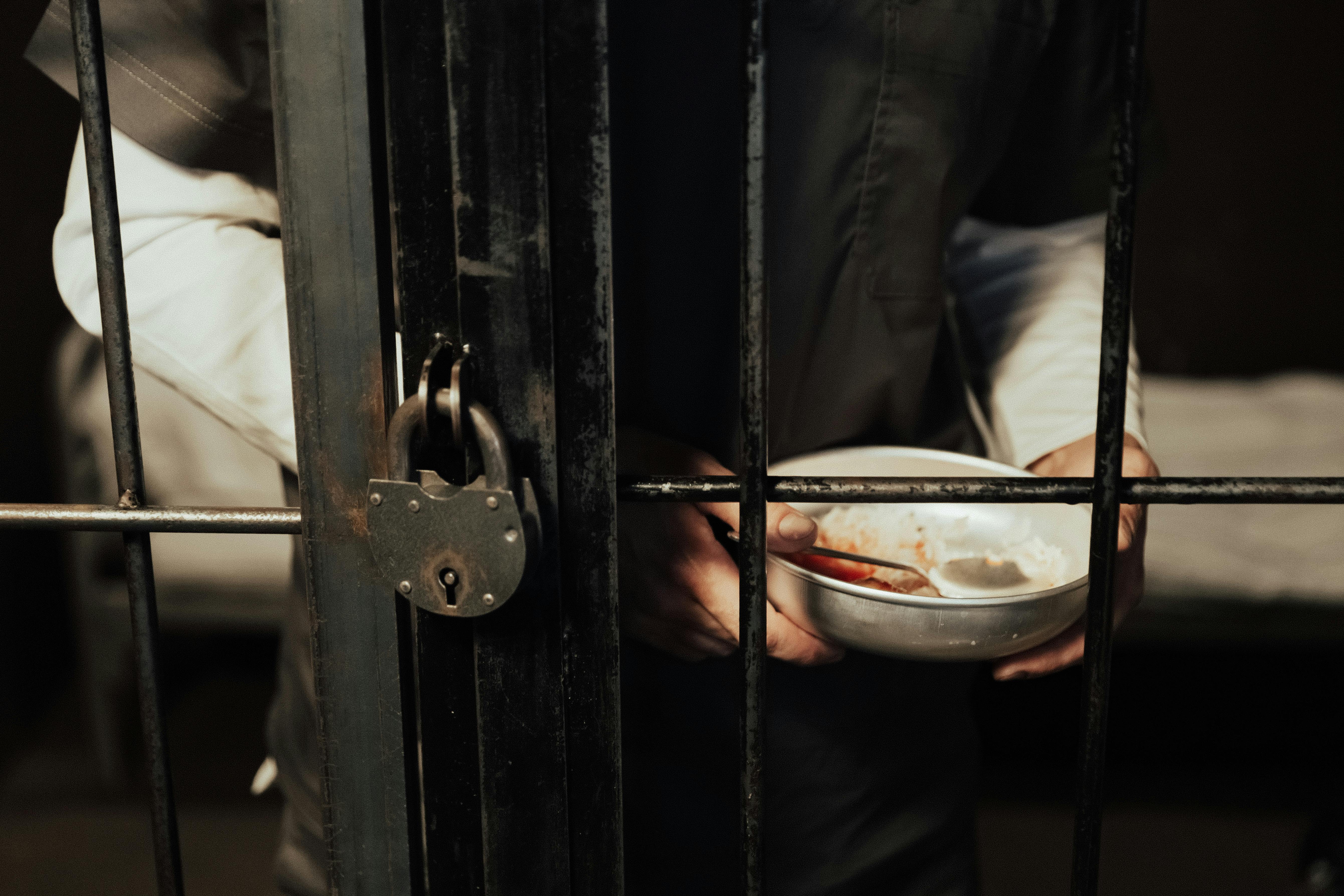
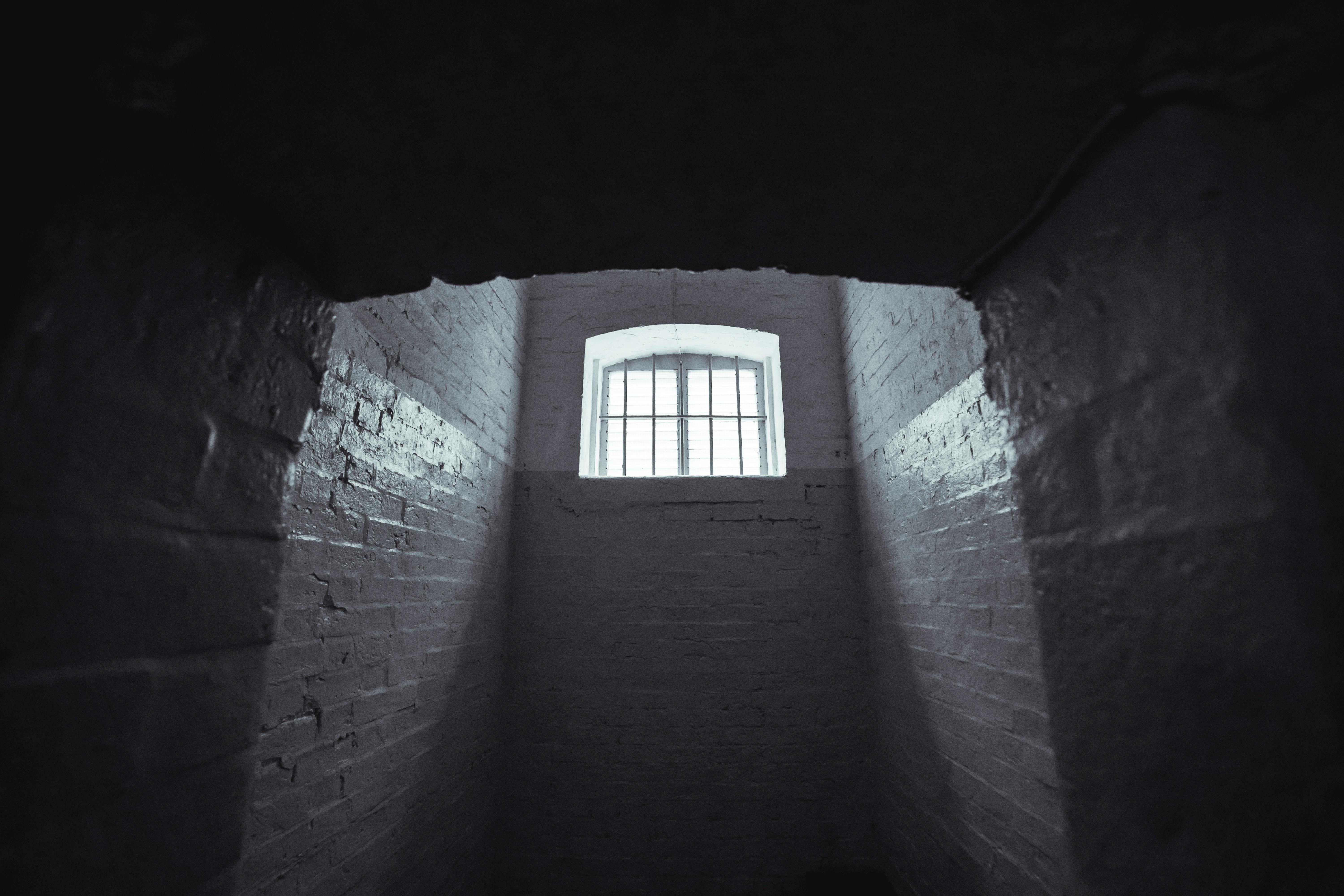
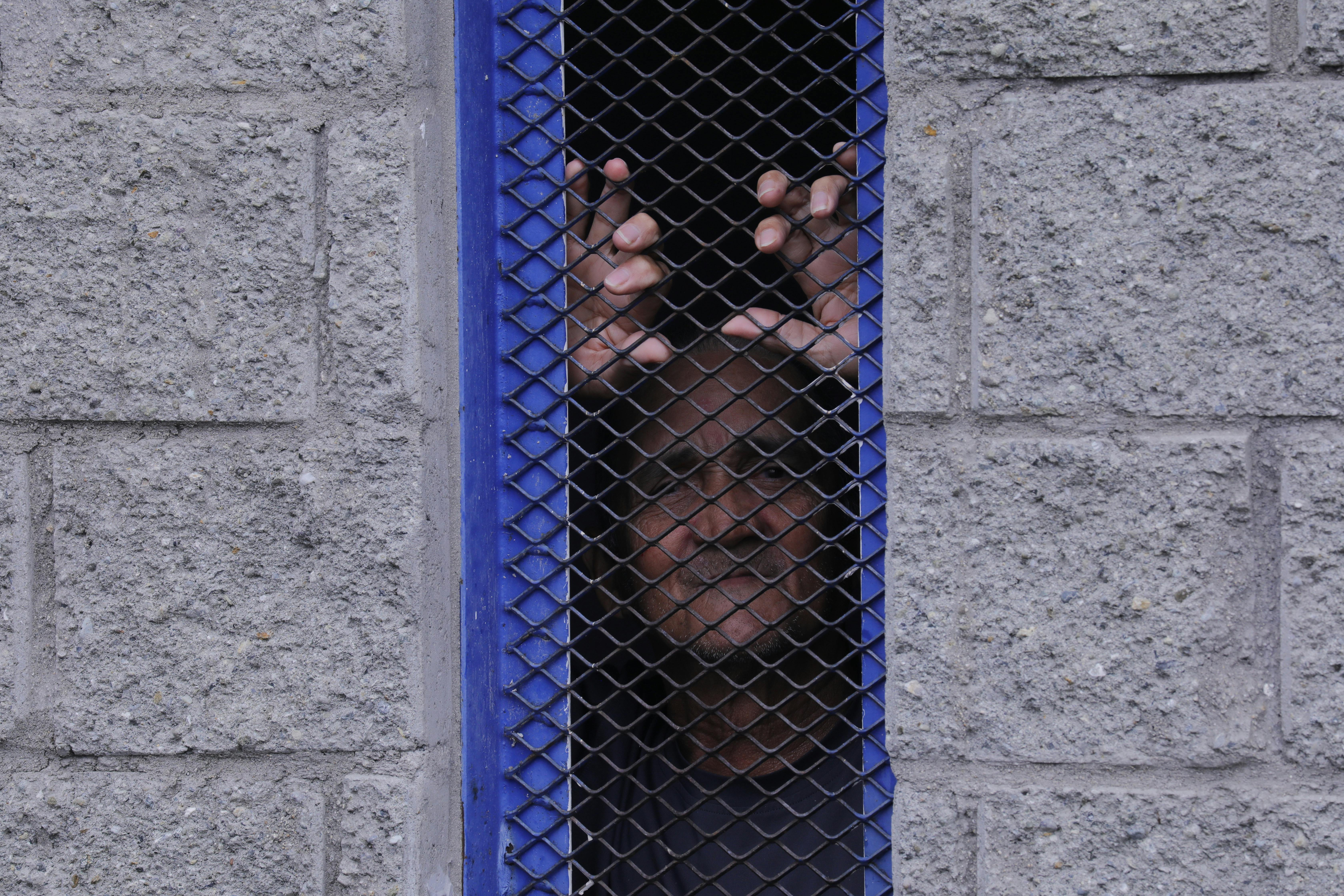
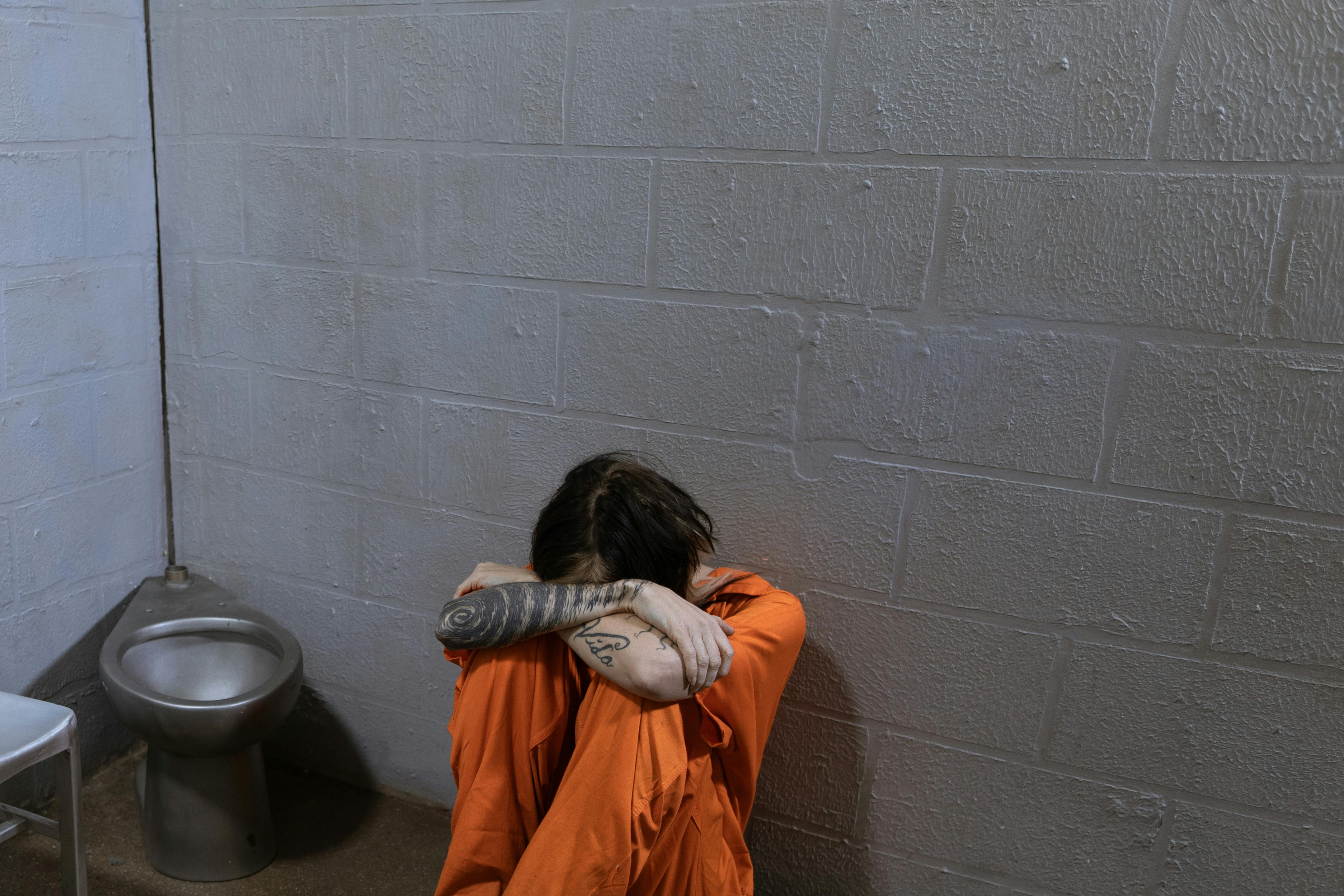
United States Senator Dick Durbin (D-IL) has long been critical of the BOP’s use of solitary confinement. One area where reform has proven more difficult involves the use of Special Housing Units, commonly known as SHUs. These units are typically used for disciplinary segregation, administrative detention, or protective custody. Inmates housed in SHUs are separated from the general population and experience more restrictive conditions, including limited out of cell time and reduced access to programming. While few inmates are housed in SHU solitary confinement, the affect of living with little recreation and natural light, confined in a small area for weeks or months, takes a toll on inmates.
Congress has expressed concern about the overuse of restrictive housing in federal prisons. Lawmakers and criminal justice experts have argued that prolonged segregation can have significant psychological effects and may undermine rehabilitation efforts. As a result, policymakers have encouraged the BOP to reduce reliance on SHUs and explore alternative approaches to managing inmate behavior and institutional safety.
Despite these concerns, available data suggests that the number of inmates held in SHU has not declined as significantly as some policymakers hoped. While there have been efforts to review SHU placements and develop alternative management strategies, restrictive housing continues to play a substantial role in institutional operations. This persistence reflects the difficult balance between maintaining safety within prisons and advancing reform oriented policies that seek to limit the use of isolation.
Rehabilitation and reentry programming remain central components of the First Step Act’s broader reform agenda. One of the most important programs within the BOP is the Residential Drug Abuse Program, commonly referred to as RDAP. The program is designed to provide intensive substance abuse treatment for inmates with documented drug or alcohol dependency. Participants engage in a structured treatment environment that includes counseling, behavioral therapy, and educational components aimed at addressing addiction and related criminal behavior.
RDAP also offers a powerful incentive for participation because eligible inmates who successfully complete the program may receive a reduction of up to one year from their sentence. This incentive has made RDAP one of the most sought after programs within the federal prison system. The program’s emphasis on cognitive behavioral treatment and structured programming aligns with the First Step Act’s broader focus on evidence based interventions that reduce recidivism.
At the same time, the availability of RDAP slots and the capacity of facilities to offer the program remain ongoing challenges. The program was cancelled at FCI Terminal Island (facility closing), FPC Pensacola (facility closing), SCP Sheridan and FCI Beaumont (these last two suspended RDAP). Demand for treatment often exceeds the number of available spaces, which can limit access for inmates who would benefit from the program. Ensuring that RDAP remains adequately funded and accessible will be critical if the Bureau of Prisons hopes to meet the rehabilitative goals envisioned by Congress.
The First Step Act set ambitious goals for reforming the federal prison system. Several years after its passage, the available data suggests a mixed picture of progress and ongoing challenges. The decline in the federal prison population reflects meaningful changes in sentencing and release policies. At the same time, operational realities inside federal prisons reveal areas where reform has been slower or more complicated.
The expiration of the American Correctional Association accreditation contract raises questions about external oversight. Disciplinary trends highlight institutions where safety and management challenges remain significant. The continued reliance on Special Housing Units demonstrates the difficulty of reducing restrictive housing practices while maintaining institutional order. Meanwhile, programs such as the Residential Drug Abuse Program illustrate the potential of rehabilitative programming to reduce recidivism and support successful reentry.
Ultimately, the effectiveness of the First Step Act will depend on how well the Bureau of Prisons continues to translate policy goals into operational practice. Data transparency, congressional oversight, and sustained investment in programming will play an important role in determining whether federal prison reform continues to move forward in the years ahead.
Follow me on LinkedIn or Twitter or Forbes. Check out my website or some of my other work here.










.jpg)





.jpg)














.jpg)


