
For more than a decade, the Department of Justice’s Office of the Inspector General has told essentially the same story about the Federal Bureau of Prisons. Different years. Different directors. Different initiatives. But the same findings appear again and again in the DOJ’s Top Management and Performance Challenges reports: chronic understaffing, crumbling infrastructure, unchecked contraband, staff misconduct, deficient healthcare, and an inability to implement lasting reform.
By 2026, the question is no longer whether the Bureau of Prisons has problems. The question is why, after dozens of reports, hundreds of recommendations, congressional hearings, and billions of dollars, those problems remain largely unresolved. Even Trump knew that things had to change when one of the first people he fired upon taking office was BOP Director Collette Peters.
The BOP’s inclusion on the DOJ’s top management challenges list is not a new development. In fact, it has become routine. Across the 2022, 2023, 2024, and 2025 reports, the OIG repeatedly describes the federal prison system as facing a long-standing crisis rather than a temporary setback.
What is striking is not just the severity of the problems, but their durability. Staffing shortages identified years ago continue to undermine security and basic operations. Infrastructure issues flagged decades earlier still leave inmates housed under leaking roofs and failing electrical systems. Contraband continues to flow into institutions despite repeated promises of improved interdiction efforts. Even though the latest Director William Marshall III stated that the Big Beautiful Bill had billions for infrastructure, it will be years before that money catches up with the problems.
This repetition matters. When an oversight body identifies the same failures year after year, it signals not just operational weakness, but a breakdown in leadership, accountability, and institutional learning.
Every recent OIG report identifies staffing shortages as a foundational problem for the BOP. Correctional officers, healthcare workers, psychologists, maintenance staff, and investigative personnel are all in short supply. The result is a system held together by overtime, mandatory overtime, and the reassignment of non-custody staff into security roles they were not hired or trained to fill.
The consequences are predictable and well documented. Overworked staff are more likely to make mistakes, cut corners, or disengage. Augmentation pulls teachers, case managers, and maintenance workers away from their core duties, eroding programs intended to reduce recidivism and maintain humane conditions. Fatigue increases safety risks for staff and inmates alike. It has even been reported that many staff are heading into retirement or leaving for other positions in the government.
What makes this failure particularly damning is that the BOP has long acknowledged it does not have a reliable method for determining how many staff it actually needs at each facility. During the first Trump administration, hiring was frozen at a level that the American Federation of Government Employees Council of Prison Locals C-33 said was dangerous and well below what was needed. That union was disbanded by the Trump administration in 2025 and whether it returns may well be up to the federal courts.
Years after the OIG first recommended a system-wide staffing model, that recommendation remains open. Without knowing staffing needs, recruitment efforts are essentially guesswork, and Congress is asked to fund an agency that cannot clearly articulate what “fully staffed” even means.
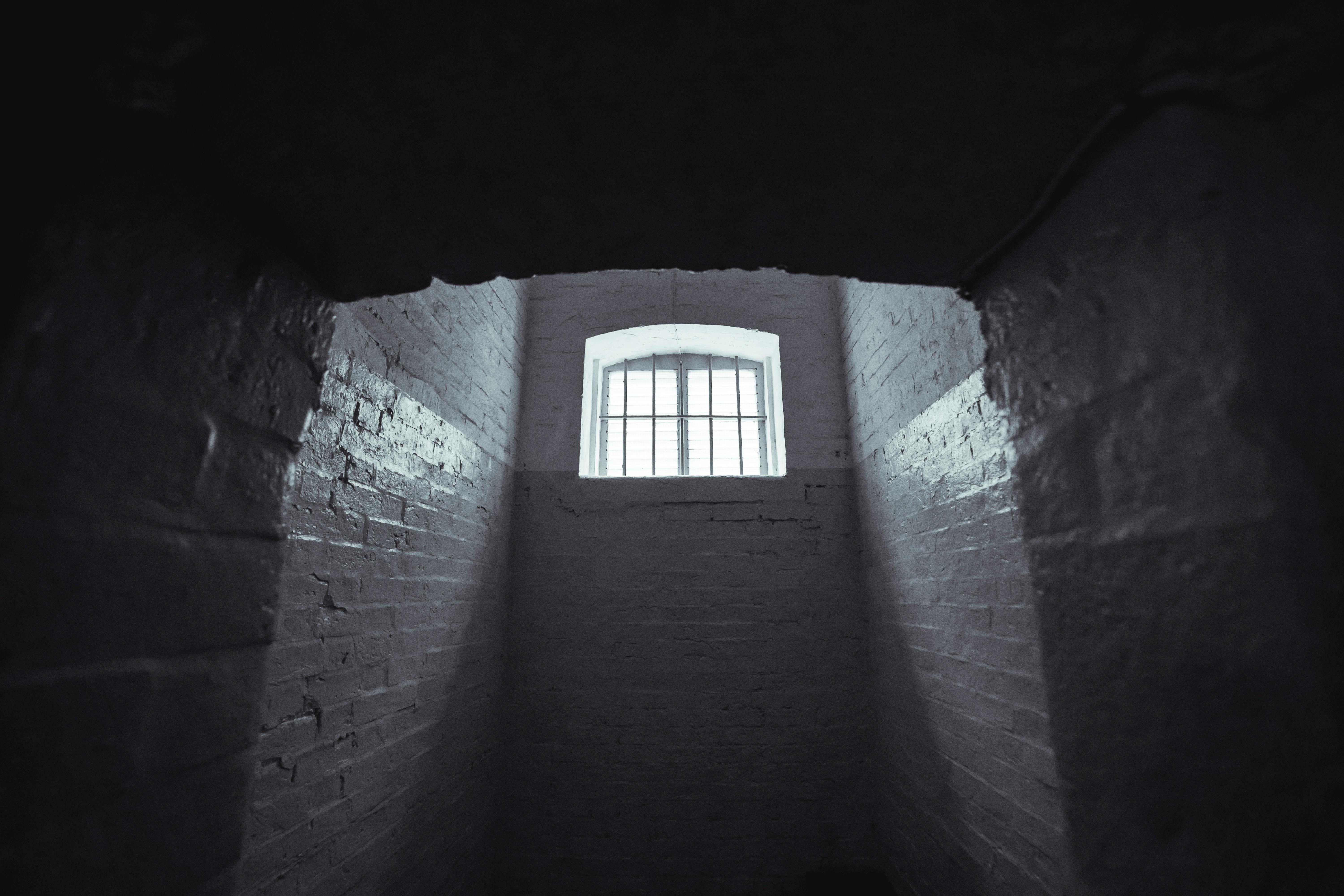
The physical condition of federal prisons has been described by the OIG in language rarely used for federal facilities: dire, deteriorated, and unsafe. Roofs leak onto living spaces. Plumbing fails. Electrical systems are outdated. Fire safety systems require replacement. Entire facilities have been partially or fully closed because conditions became untenable. BOP moved to close one of its older facilities, FCI Terminal Island, in 2025 and is scheduled to be shut down in Summer 2025.
Across multiple reports, the OIG notes that all BOP institutions require maintenance and that the backlog of major repairs runs into the billions of dollars. Yet year after year, the BOP lacks a comprehensive infrastructure strategy that would allow it to prioritize repairs, justify funding requests, and track progress.
This is not just a facilities issue. Infrastructure failures directly affect safety, healthcare delivery, food services, and staff morale. When institutions operate in a constant state of decay, crisis management replaces strategic planning, and long-term reform becomes impossible.
Contraband remains one of the most persistent and dangerous problems in federal prisons. Drugs, weapons, and cell phones enter facilities through drones, perimeter breaches, staff misconduct, and inadequate search procedures. The OIG has linked contraband directly to inmate deaths, violence, and institutional instability.
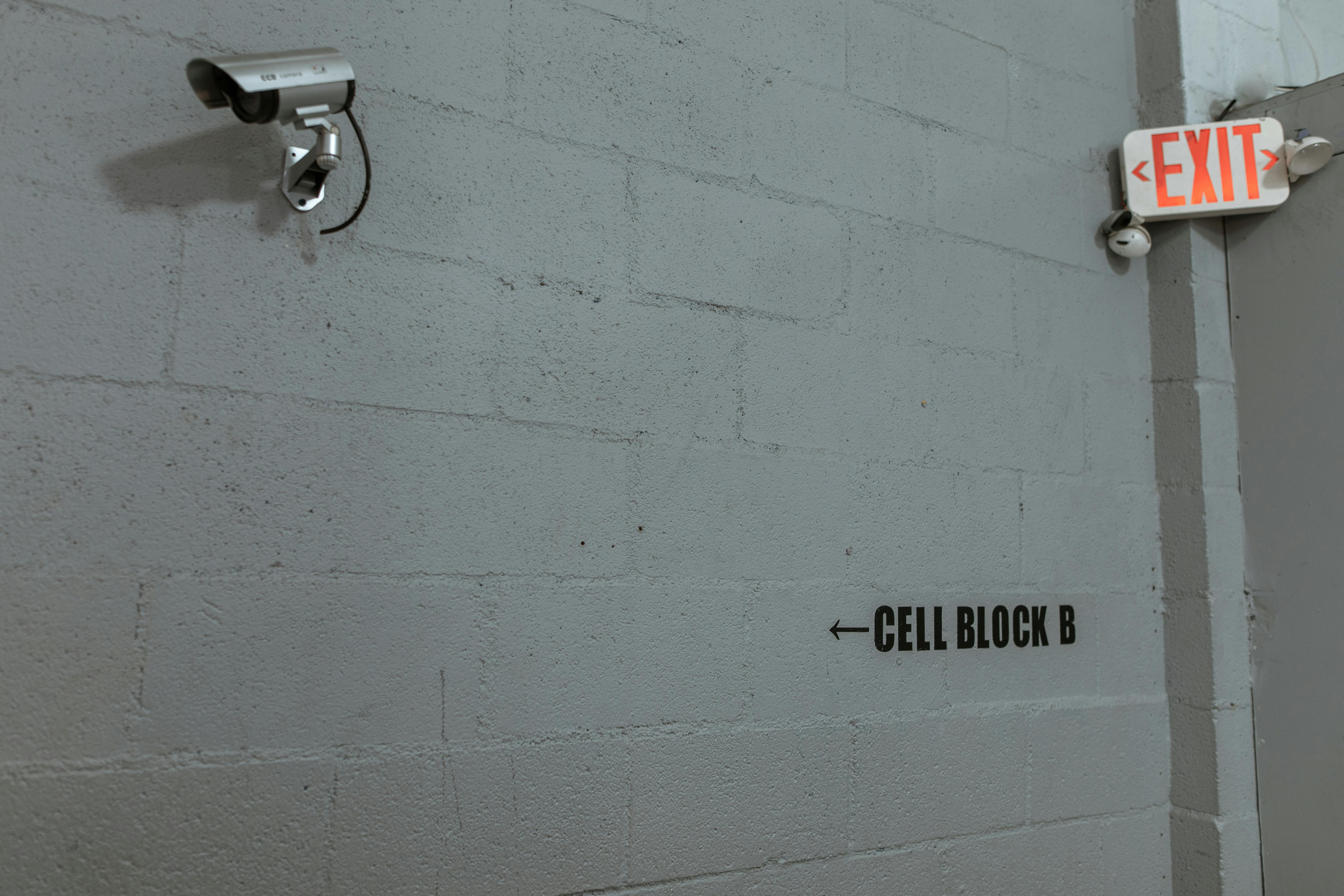
A recurring theme across the reports is the inadequacy of the BOP’s security camera systems. Despite the passage of legislation and repeated OIG recommendations, many facilities still rely on outdated or insufficient camera coverage. Blind spots, poor image quality, and limited video retention undermine investigations and allow misconduct to go undetected or unprosecuted.
What makes this especially troubling is that the BOP has known for years that inadequate cameras hinder accountability. The same deficiencies cited in contraband cases in the mid-2010s continue to appear in inspections a decade later. The failure here is not technological. It is managerial and something that Director Marshall and Deputy Director Josh Smith have vowed to change. A year into the Trump administration, the challenges are still there.
Few issues have damaged the BOP’s credibility more than the repeated revelations of staff sexual abuse of inmates. Investigations at facilities like FCI Dublin exposed systemic failures in supervision, reporting, and accountability. Wardens and senior staff were not merely negligent; in some cases, they were perpetrators.
The OIG’s findings show that these abuses were not isolated incidents but symptoms of deeper cultural problems. Inadequate investigative staffing, reluctance to credit inmate testimony, and weak disciplinary processes allowed misconduct to persist. Even when criminal prosecutions occurred, they often followed years of unchecked abuse.
The persistence of these failures undermines any claim that the BOP has fundamentally changed how it addresses staff misconduct. Each new scandal reads less like an anomaly and more like the inevitable result of unresolved systemic flaws.
Healthcare has emerged as an increasingly prominent concern in recent reports. Staffing shortages in medical and mental health services limit access to care, delay treatment, and impair suicide prevention efforts. The OIG has linked inadequate healthcare staffing directly to inmate deaths and deteriorating mental health outcomes.
At the same time, the BOP has struggled to manage healthcare contracts effectively. Audits have identified poor planning, weak oversight, and insufficient monitoring of quality and cost. In some cases, the Bureau paid far more than anticipated for services without verifying whether inmates received appropriate care.
These failures are not just budgetary inefficiencies. They represent a breakdown in the government’s obligation to provide constitutionally adequate care to people in its custody.
The most sobering conclusion from the last several years of reports is that the BOP’s problems are not unknown, under-studied, or misunderstood. They are extensively documented. What is missing is sustained execution.
Leadership turnover, fragmented accountability, inadequate data systems, and chronic underfunding all play a role. But so does an institutional tendency to respond to crises rather than implement reforms to completion. Recommendations linger for years. Pilot programs replace permanent solutions. Oversight identifies problems faster than the Bureau resolves them.
Even significant infusions of funding, such as recent supplemental appropriations, come with a warning from the OIG: “… money alone will not fix the BOP unless it is paired with strategic planning, transparency, and measurable outcomes.”
By 2026, the Federal Bureau of Prisons stands as one of the DOJ’s most persistent management failures. Not because the challenges are uniquely difficult, but because they are endlessly recurring. Each year’s report reads like a sequel to the last, with familiar characters and unresolved plotlines.
Until the BOP demonstrates the ability to close recommendations, measure progress, and hold itself accountable for results rather than intentions, its place on the DOJ’s top management challenges list will remain secure.
And that, perhaps more than any single finding, is the most damning conclusion of all.
Follow me on LinkedIn or Twitter or Forbes. Check out my website or some of my other work here.








.jpg)



.jpg)











.jpg)


