
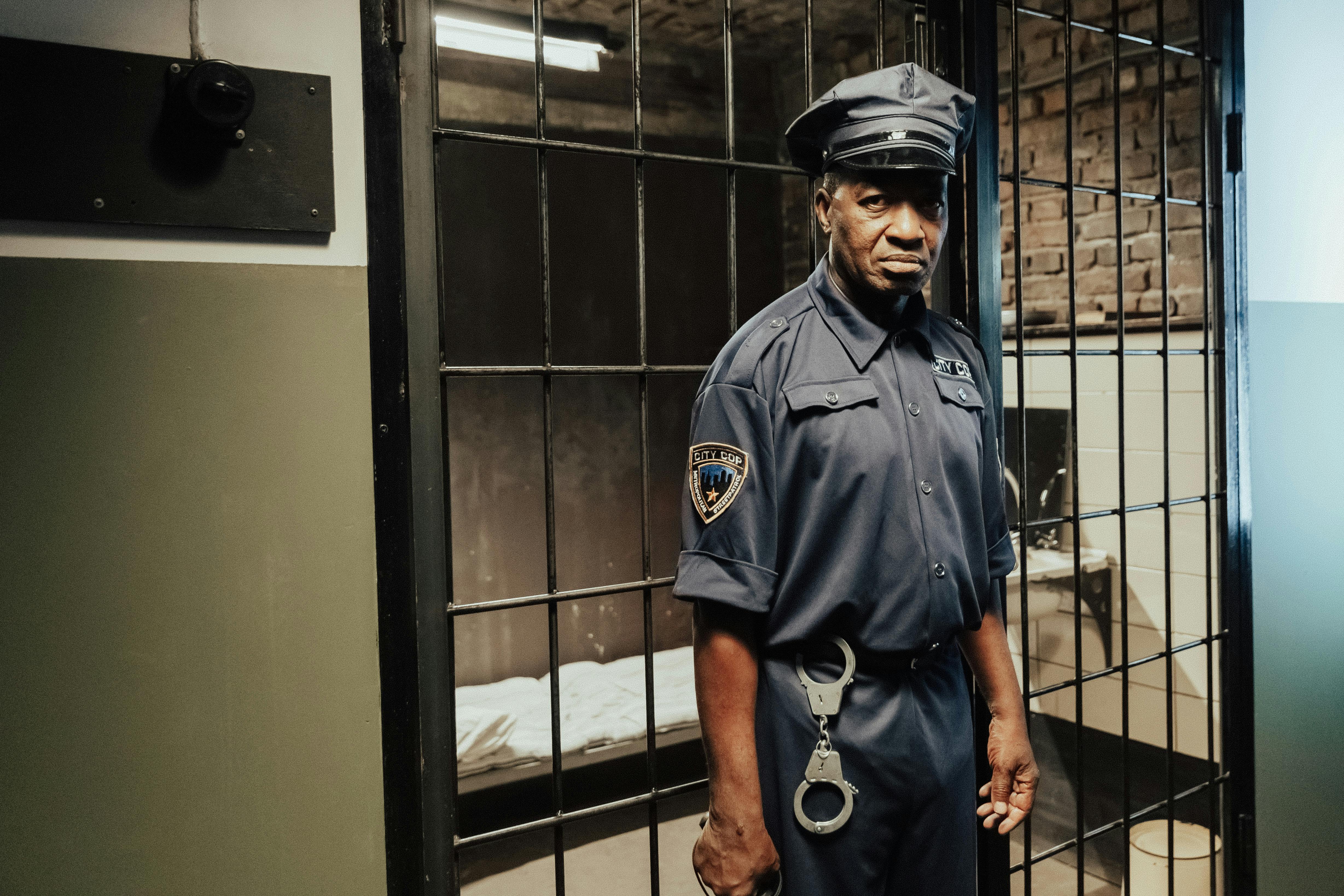
The staffing crisis in American prisons did not happen overnight. It grew out of decades of prison expansion, shifting sentencing policies, changing workforce expectations, and a job that has become increasingly difficult to fill. Today, federal prisons face persistent vacancies, mandatory overtime, and mounting operational strain. At the same time, prison populations have fluctuated significantly over the past decade, reshaping the system’s needs and raising important questions about who should be working inside correctional facilities and why.
From the 1980s through the early 2010s, prison populations rose steadily, driven largely by mandatory minimum sentencing laws, tough drug policies, and longer average time served. Federal prisons reached a modern peak around 2013. Facilities expanded, staffing models were built around high population levels, and correctional workforces grew to meet demand.
Since that peak, the federal prison population has declined, influenced by sentencing reforms, retroactive guideline reductions, the First Step Act, and the pandemic era drop in admissions and expanded home confinement. Yet staffing levels have not stabilized accordingly. In some institutions, staffing shortages worsened even as populations decreased, creating a paradox: fewer people incarcerated overall, but fewer employees to manage them.
Part of the explanation lies in workforce attrition, retirements, burnout, and difficulty recruiting new officers into a profession with a demanding reputation. Recently, the hiring of Immigration Customs Enforcement (ICE) officers, have led to an exodus of correctional workers.
The Prison Policy Initiative’s 2025 analysis of prison understaffing highlighted the core challenge: correctional work is difficult, stressful, and often under-compensated relative to the risks involved. Officers and staff work in secure environments where tensions can escalate quickly. They face safety risks, exposure to trauma, and frequent mandatory overtime. In many facilities, chronic staffing gaps mean employees are stretched thin, covering posts for colleagues who have left or retired.
The work schedule itself can deter applicants. Rotating shifts, holidays on duty, and forced overtime disrupt family life. In federal facilities, noncustody staff such as teachers, counselors, and medical personnel are sometimes reassigned to security posts when shortages become acute, adding stress to positions that were originally focused on programming and rehabilitation.
State systems face similar issues. Connecticut, for example, continues to struggle with hiring and retention challenges in correctional roles, underscoring that this is not solely a federal problem but a national workforce issue. Competition from other law enforcement agencies and private sector jobs with higher pay or more predictable hours makes recruitment even more difficult.
Pay is one of the most obvious levers government can pull. A bill currently backed by the correctional officers’ union proposes a 35 percent base pay increase for federal correctional officers. Advocates argue that compensation has not kept pace with inflation, job risk, and competing employment opportunities.
Higher pay could address multiple problems at once. It would make the profession more competitive in tight labor markets. It could improve morale and reduce turnover. It may also signal institutional respect for a workforce that often feels overlooked.
However, compensation alone may not be enough. Recruitment challenges are tied not only to salary but also to workplace culture, job demands, and public perception of corrections as a profession.
Understaffing reflects broader structural issues. The correctional workforce is aging, with many experienced officers reaching retirement eligibility. Younger generations often seek careers with greater flexibility, lower exposure to violence, and stronger alignment with personal values. Correctional institutions are frequently located in rural or economically limited regions, shrinking the local labor pool.
Additionally, the pandemic intensified burnout. Staff worked extended hours during lockdowns, managed health crises inside facilities, and absorbed heightened tensions among incarcerated populations. Many left the profession altogether.
Congress is concerned. It recently sent a letter for BOP Director William Marshall III stating, “… We are deeply concerned that these developments compromise the safety and security of both inmates and staff. The shrinking existing workforce has been left to contend with an ever-growing use of overtime, which leads to fatigue, burnout, and increased attrition.” Congress gave Marshall 30 days to respond but in the past the BOP has been less than candid in its responses to Congress.
One possible path forward is to reconsider the type of workforce prisons are trying to attract. Traditionally, correctional officer roles have emphasized security, control, and enforcement. While those functions remain essential, the mission of modern corrections increasingly includes rehabilitation, programming, and reentry preparation.
If prisons are serious about reducing recidivism, they may need to recruit individuals with skills in counseling, education, behavioral health, and conflict resolution. A workforce more grounded in rehabilitation could shift institutional culture, improve staff inmate relationships, and potentially reduce violence.
Some European correctional systems have long emphasized a rehabilitative model in which officers are trained not only in security but also in social services and human development. While the United States operates on a different scale and legal framework, elements of that approach could inform future hiring strategies.
The BOP is being hit on two fronts that are hurting their recruiting; 1) the exit of veteran staff who are choosing retirement, and 2) young people who have less than 5 years on the job but are choosing another career path. It is a difficult combination to overcome.
Beyond pay and recruitment messaging, improving day to day working conditions is critical. That includes reducing mandatory overtime, ensuring adequate staffing ratios, strengthening mental health support for staff, and investing in leadership training. These are all difficult to address when there is a shortage of staff.
Staff also work in the same conditions in which the inmates live. Decades of not addressing institutional maintenance has led to buildings with broken HVAC systems, mold, and broken kitchen equipment.
Technology may also play a role. Modernizing systems to reduce paperwork burdens and improve communication can make the job less administratively overwhelming. Investments in safety infrastructure and equipment can improve officer confidence and morale.
As prison populations fluctuate, staffing models must adapt. If incarceration levels remain below their historic peaks, agencies have an opportunity to rethink how many facilities are needed and how staffing resources are distributed. Consolidating underutilized facilities or reallocating resources toward programming and reentry services may reduce the strain on frontline staff.
At the same time, policymakers must recognize that staffing shortages can compromise safety. Understaffed prisons face higher risks of violence, reduced programming access, and slower response times in emergencies. Stabilizing the workforce is not simply an employee issue; it is a public safety priority.
The BOP houses nearly 23,000 minimum security campers, many of whom could be housed in community residential reentry centers (halfway houses). Under the First Step Act and Second Chance Act, signed by George W. Bush, many minimum security inmates could be in the community under supervision but the BOP has failed to increase its halfway house capacity. A recent Government Accountability Office report found that the BOP doesn’t know how many people are eligible to be transferred to a halfway house or should have been transferred already. It doesn’t have the halfway house capacity to accommodate all people who may be eligible to transfer and finally, it paid halfway houses late about 70% of the time, spending millions of dollars in late fees. Those inmates that could be in the community are served by a stressed workforce.
The conversation about prison staffing is unfolding alongside broader debates about sentencing reform, rehabilitation, and correctional policy. As Congress considers pay increases and agencies experiment with recruitment strategies, the deeper question remains: what should prisons be for, and who should work inside them?
If the mission includes preparing people to return successfully to society, then staffing models must reflect that purpose. Compensation, working conditions, and recruitment messaging all matter. But so does culture. Hiring individuals who see their role as part security professional and part rehabilitation facilitator may better align prisons with modern criminal justice goals.
The federal prison system stands at an inflection point. After decades of expansion and recent population declines, it has an opportunity to rethink not only how many people it incarcerates, but how it staffs the institutions that remain. Improving staffing levels will require more than a pay raise. It will require a clear vision of what correctional work should be in the twenty first century.
Follow me on LinkedIn or Twitter or Forbes. Check out my website or some of my other work here.







.jpg)




.jpg)











.jpg)


